A Beginner's Guide to Scotch Whisky Regions
Scotland is divided into five main whisky regions, each with its own character. Here's what to expect from each one and where to start.
In this guide
- Why regions are worth knowing
- Speyside
- Highlands
- Islay
- Lowlands
- Campbeltown
- The Islands
- Where to start
Why regions are worth knowing
When you're starting out with Scotch, the sheer number of distilleries can feel like a lot. One useful way in: think in regions. Each of Scotland's whisky-producing areas has developed its own general character over centuries, shaped by local water, climate, and tradition. They won't tell you exactly what a whisky will taste like, but they give you a reasonable starting point and stop you from buying entirely blind.
Scotland has five main regions: Speyside, Highlands, Islay, Lowlands, and Campbeltown. The Islands are sometimes counted as a sixth, though officially they fall under the Highlands designation.
Speyside
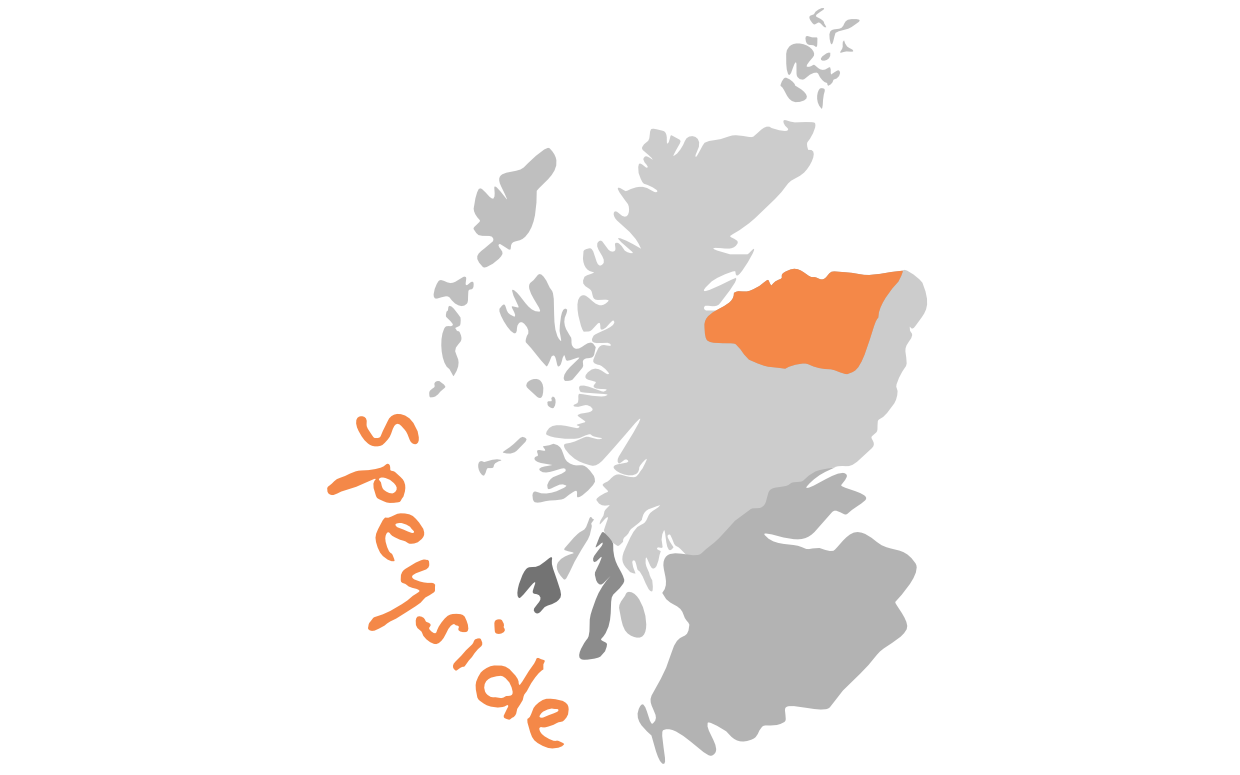
The most densely populated whisky region in the world. Dozens of distilleries sit along the River Spey and its tributaries in northeast Scotland, including some of the most familiar names you'll come across: Glenfarclas, Glenfiddich, The Macallan, Aberlour, Balvenie.
What to expect: Elegant and approachable. Orchard fruit (apple, pear) alongside honey, vanilla, and dried fruit. Sherry cask maturation is common, adding richness and depth. Peat is rarely used. If you're new to Scotch and wondering where to begin, Speyside is where most people start, and there's a good reason for that.
Good starting points: Glenfiddich 12, Aberlour 12, Glenfarclas 12.
Highlands
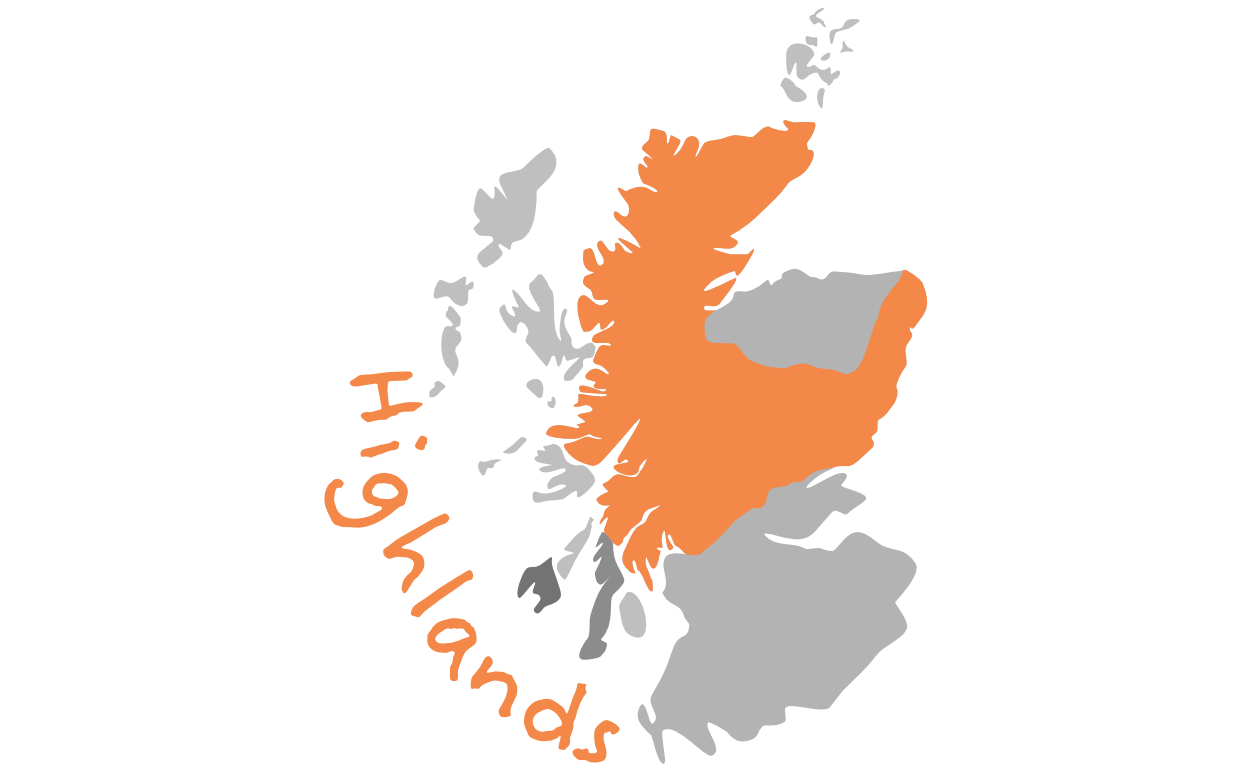
The largest region geographically, stretching from Perthshire in the south to the far north coast. The size means the variation is real. A Highland whisky from Glenmorangie in the north can taste completely different from one made at Edradour in the south.
What to expect: As a loose generalisation, Highland whiskies tend to be fuller-bodied than Speysides, with more heather, dried fruit, and spice. Coastal distilleries often show a briny, maritime quality. Several lean heavily on sherry cask maturation for something rich and deeply fruited, Dalmore and GlenDronach in particular.
Good starting points: Glenmorangie 10, GlenDronach 12, Dalmore 12.
Islay
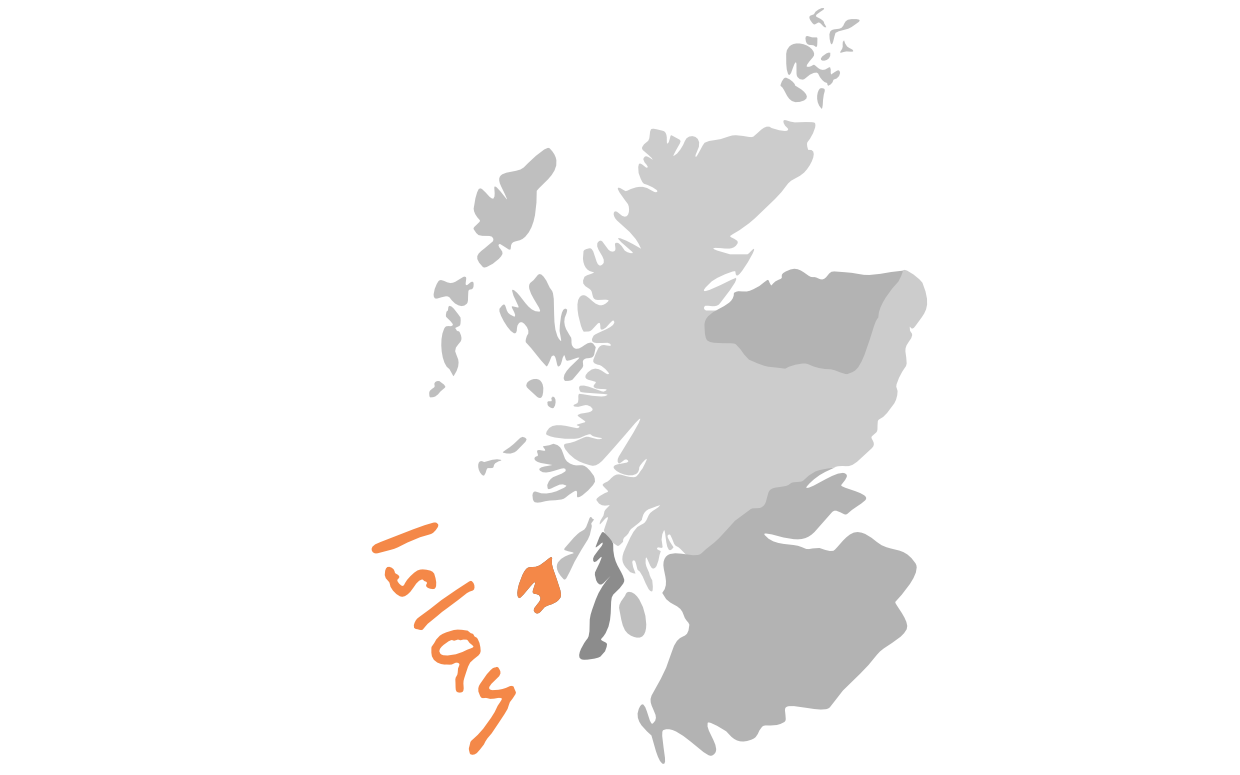
A small island off the west coast with eight distilleries and a reputation that far exceeds its size. Laphroaig, Ardbeg, Bowmore, Bruichladdich: names that tend to mean something even to people who don't drink whisky.
What to expect: Islay is famous for peated, smoky whisky. The peat here has a coastal, medicinal quality: bonfire smoke, iodine, seaweed, brine. It's not subtle. That said, not every Islay whisky goes heavy on it. Bunnahabhain and Bruichladdich's Classic Laddie are relatively gentle. But if you want to understand what all the fuss about smoky whisky is, Islay is where you come.
Islay whisky tends to be the kind people either fall in love with immediately, or need a few tries to understand. Either way is fine.
Good starting points: Bowmore 12 (a considered introduction to Islay peat), Laphroaig 10 (bold, medicinal, unapologetic), Ardbeg 10 (smoky with a surprising amount of fruit underneath).
Lowlands
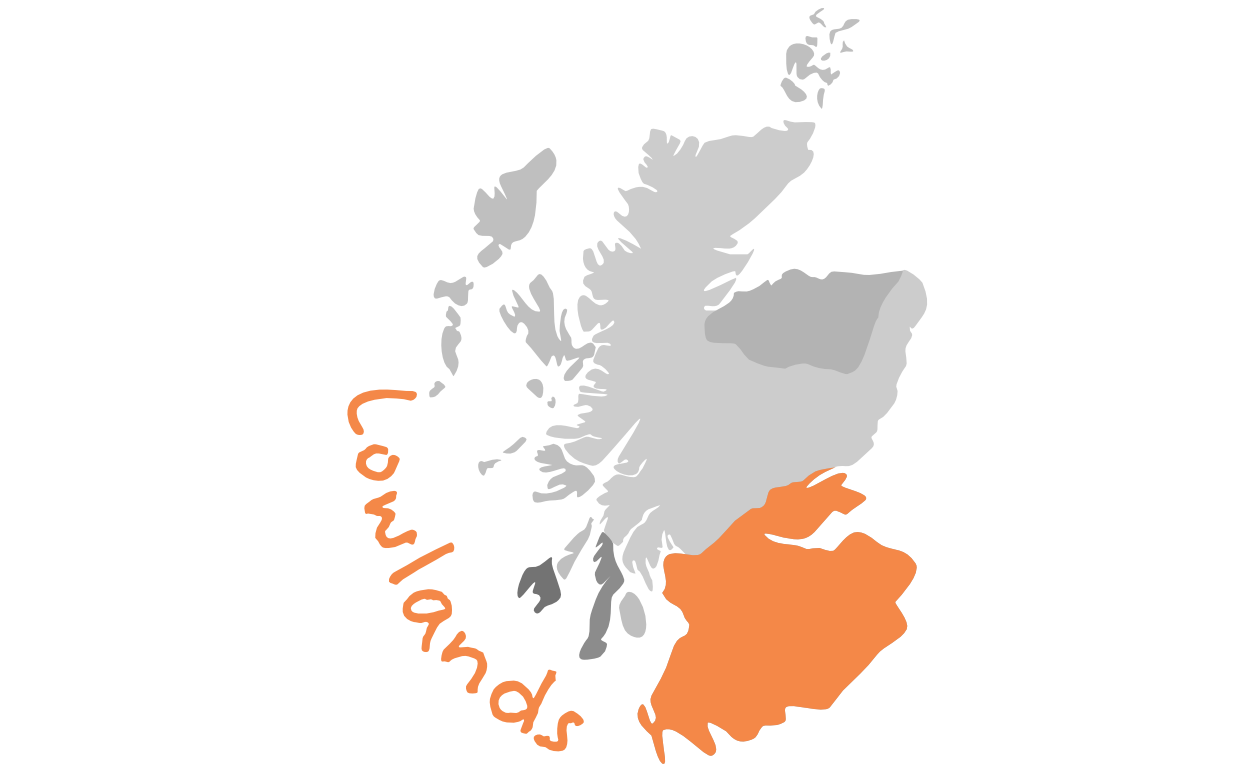
South of an imaginary line from Greenock to Dundee. Once a major producing region; today only a handful of distilleries remain, including Auchentoshan, Glenkinchie, and the recently revived Bladnoch and Rosebank.
What to expect: The lightest character of any Scottish region. Triple distillation is traditional here, unlike the double distillation used almost everywhere else, producing a gentler, more delicate spirit. Floral notes, fresh cut grass, citrus, light malt. Almost no peat. Often underrated, and a genuinely good palate-cleanser between heavier drams.
Good starting points: Auchentoshan American Oak, Glenkinchie 12.
Campbeltown
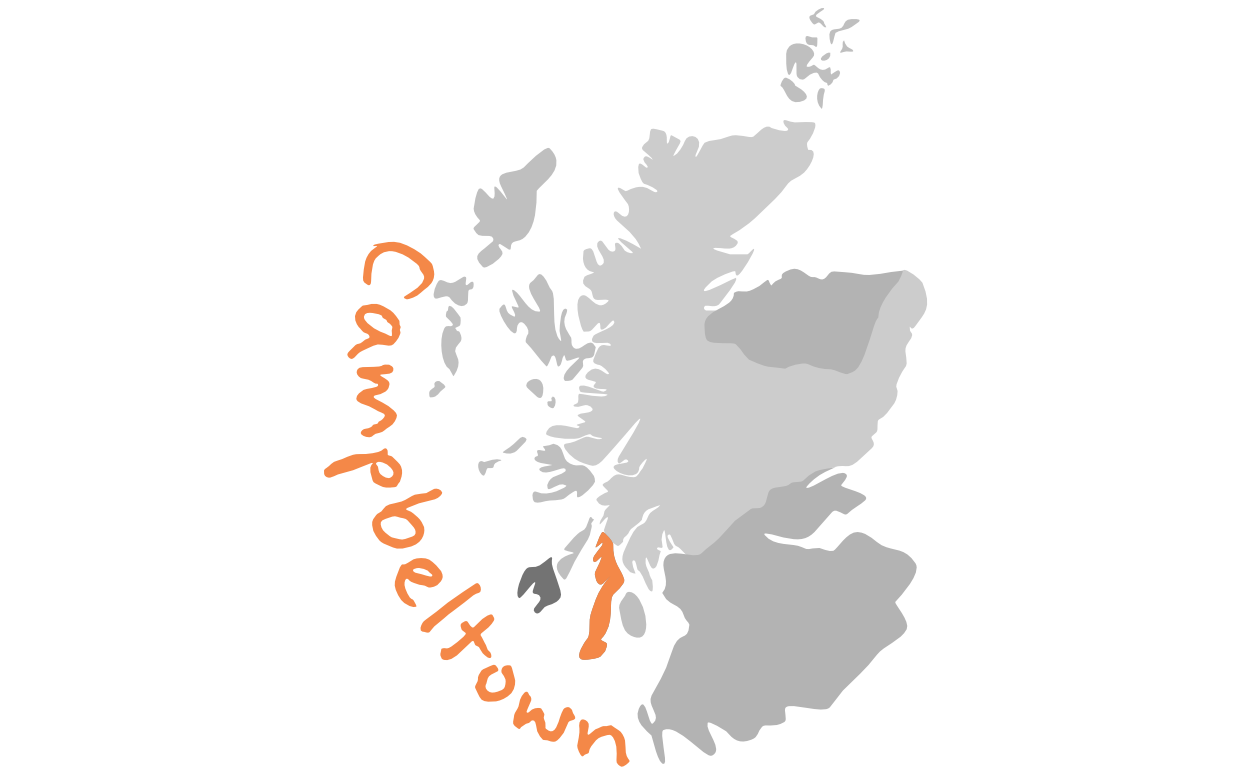
On the Kintyre peninsula on Scotland's west coast. Once home to over thirty distilleries; today only three remain: Springbank, Glen Scotia, and Glengyle, which produces Kilkerran. Despite the small number, Campbeltown keeps its own regional designation, a nod to how significant it once was.
What to expect: A distinctive briny, slightly oily character, with notes of toffee, dried fruit, and gentle peat. Springbank is quietly beloved by serious whisky drinkers for its complexity and its uncompromising, traditional approach to production. Worth seeking out when you're ready for something a little different.
Good starting points: Springbank 10, Glen Scotia Double Cask, Kilkerran 12.
The Islands
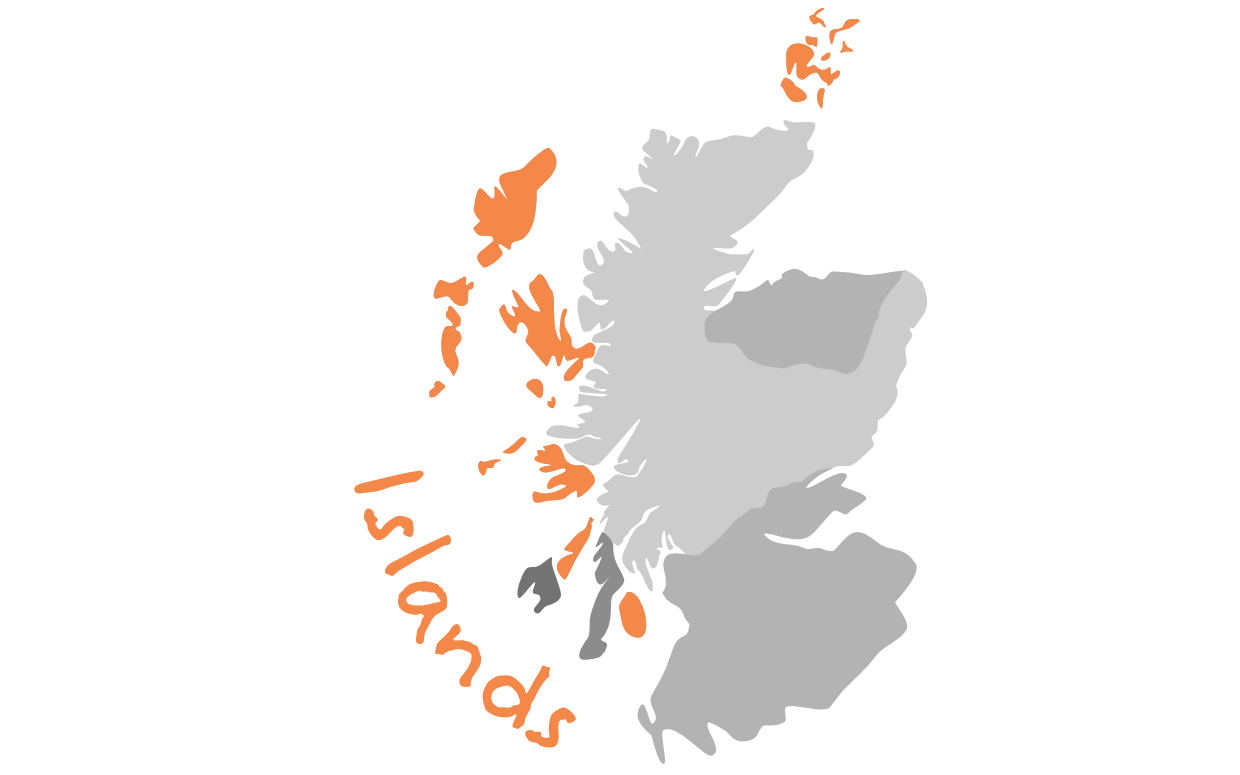
Not an official region, but worth knowing about. Distilleries on Skye (Talisker), Orkney (Highland Park, Scapa), Jura, Mull (Tobermory), and Arran each make whisky with a distinctly maritime character: coastal, briny, and often with some degree of smoke, though rarely as intense as Islay.
Talisker is the standout: peppery, smoky, unmistakably coastal. Highland Park takes a different path, finding a careful balance of peat, heather honey, and dried fruit that's genuinely hard to replicate anywhere else.
Good starting points: Talisker 10, Highland Park 12.
Where to start
If you're new to Scotch, Speyside is the most welcoming place to begin: gentle, fruited, and easy to find. From there, explore at your own pace. There's no particular order that's right or wrong, just your own path through it.
Every bottle from every region is on Whisky Diaries, along with notes from people who've actually spent time with them. That's a reasonable place to navigate from.